Corporate Interior Design Solution for Growing Co-working Spaces
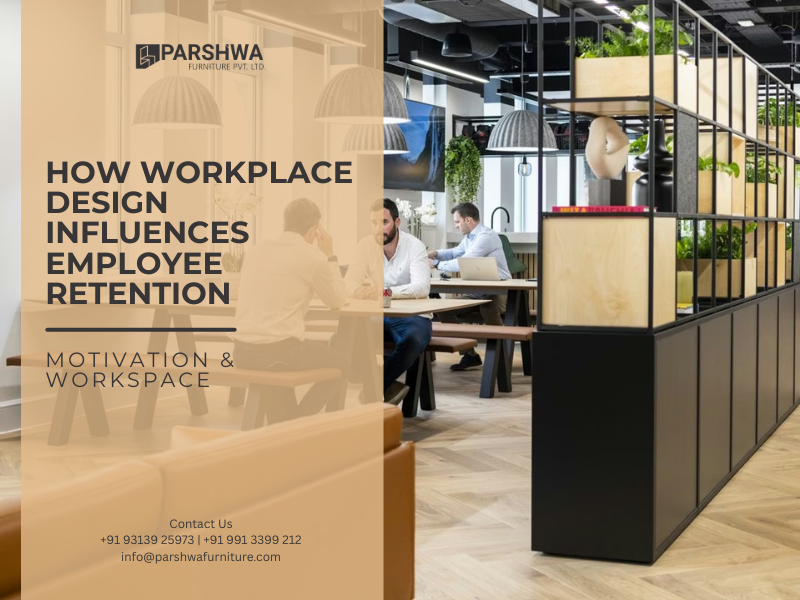
How Workplace Design Influences Employee Retention
The Workplace as a Daily Experience
Retention is rarely the result of a single dramatic event. More often, it is influenced by small, repeated experiences. An employee who spends eight to nine hours a day in an uncomfortable or poorly organized space gradually associates the workplace with stress and fatigue. Over time, this emotional response affects engagement.
On the other hand, when the office environment supports comfort, clarity, and efficiency, employees feel respected. That respect builds loyalty.
Modern office design directly affects:
- Physical well-being
- Focus and cognitive performance
- Team interaction
- Emotional connection with the organization
Businesses investing in office furniture turnkey projects In India increasingly recognize that every workstation, meeting room, and collaborative zone plays a role in shaping these experiences.
Ergonomics and Health: The Silent Retention Factor
Why Physical Comfort Matters
Physical discomfort accumulates. Poorly designed desks, inadequate lumbar support, improper monitor height, and cramped seating arrangements lead to fatigue and recurring health issues. While these problems may not immediately cause resignation, they slowly reduce job satisfaction.
Ergonomic seating, height-adjustable workstations, and thoughtfully planned circulation areas create measurable improvements in comfort. When employees feel physically supported, they are more likely to remain engaged throughout the workday.
Companies that approach office furniture turnkey projects strategically integrate ergonomic planning from the beginning, rather than treating furniture as a last-minute procurement task.
Environmental Quality and Productivity
Lighting, ventilation, and acoustics significantly influence performance. Access to natural light improves concentration and reduces mental fatigue. Proper ventilation enhances alertness. Controlled acoustics prevent distraction in collaborative environments.
High-performing offices do not rely solely on aesthetics. They balance open work areas with quiet zones, ensuring employees can collaborate when needed and focus when required.
Well-executed corporate interior solutions consider these environmental factors as foundational elements, not optional upgrades.
Layout and Spatial Planning: Designing for Workflow
An office layout either simplifies work or complicates it. Poor spatial planning creates bottlenecks-limited meeting rooms, congested corridors, or isolated teams. These inefficiencies increase frustration.
In contrast, effective space planning maps work patterns before design execution. Teams that collaborate frequently are positioned strategically. Meeting rooms are sized according to usage patterns. Breakout zones are placed where informal discussions naturally occur.
This level of planning is particularly important for companies undertaking an office furniture turnkey project in Ahmedabad or other fast-growing commercial hubs. As teams scale, adaptable layouts prevent frequent redesign expenses.
A workspace that supports workflow efficiency reduces operational friction. Reduced friction improves employee satisfaction.
Culture Reflected Through Design
Workplace design communicates leadership priorities. A rigid, closed layout may suggest hierarchy and limited collaboration. Transparent meeting rooms and open collaboration zones reflect accessibility and inclusivity.
Employees observe these signals daily. When the physical space aligns with the company's stated values, trust strengthens. When there is misalignment, credibility weakens.
Organizations investing in office furniture turnkey projects In India often aim to create environments that reflect agility, innovation, and professionalism. The office becomes a tangible representation of the company's brand identity.
Employees are more likely to stay where they feel aligned-not just professionally, but culturally.
The Role of Furniture in Employee Engagement
Furniture is the most direct touchpoint between employees and their workspace. The quality, durability, and functionality of office furniture significantly influence daily comfort and perception.
Modular and Future-Ready Workstations
Businesses evolve. Departments expand, hybrid work models shift attendance patterns, and collaboration requirements change. Modular furniture systems allow offices to adapt without major reconstruction.
Organizations that invest in structured office furniture turnkey projects benefit from scalable solutions that support long-term flexibility. This adaptability signals stability and forward planning-both reassuring qualities for employees.
Informal Collaboration Areas
Modern workplaces require more than desks and boardrooms. Informal lounges, brainstorming corners, and flexible seating arrangements encourage organic collaboration.
These spaces strengthen interpersonal relationships. Strong team relationships are directly correlated with retention. Employees rarely leave environments where they feel connected and supported by peers.
Hybrid Work and the Modern Office Purpose
The post-pandemic workplace has redefined expectations. Employees no longer view the office as a mandatory location for routine tasks. Instead, they expect the office to offer value-collaboration opportunities, professional infrastructure, and cultural engagement.
Offices designed without considering hybrid dynamics risk underutilization. In contrast, environments that balance shared workspaces, private focus rooms, and technology-enabled meeting areas remain relevant.
Companies implementing an office furniture turnkey project in Ahmedabad are increasingly aligning design strategy with hybrid workflows. The objective is clear: create an environment worth commuting to.
Retention improves when the office experience adds meaningful value beyond remote work convenience.
Psychological Ownership and Belonging
Retention is influenced by emotional connection. A workspace that feels intentional and well-executed fosters pride.
Design elements such as balanced color palettes, organized storage, greenery integration, and comfortable communal areas create a welcoming atmosphere. When employees feel a sense of ownership over their space, attachment increases.
Corporate interior solutions that incorporate thoughtful detailing-rather than generic layouts-create distinctive environments. Employees are more likely to remain in workplaces that feel purposeful and professionally maintained.
The Business Case for Turnkey Execution
Fragmented office development often leads to inconsistent results. Separate vendors managing furniture, partitions, and layout execution can create coordination challenges and quality gaps.
Integrated office furniture turnkey projects provide unified accountability. From site evaluation to final installation, a structured approach ensures alignment between design intent and execution quality.
Across India, organizations opting for office furniture turnkey projects In India report smoother timelines, clearer budgeting, and cohesive results. More importantly, they create workspaces that support long-term employee engagement rather than temporary visual upgrades.
Parshwa Furniture: Executing Workspaces with Retention in Mind
Parshwa Furniture delivers execution-driven corporate interior solutions designed to enhance operational efficiency and workplace comfort. By specializing in office furniture turnkey projects, the company ensures precise implementation aligned with client-provided designs.
Rather than offering fragmented services, Parshwa Furniture focuses on seamless execution-from workstation installation to complete office setup. This structured approach minimizes disruption and ensures consistent quality.
For organizations planning an office furniture turnkey project in Ahmedabad, working with an experienced execution partner like Parshwa Furniture provides confidence in delivery standards, material durability, and functional accuracy.
A well-executed workplace does more than improve visual appeal. It supports productivity, strengthens collaboration, and fosters long-term commitment.
Employee retention is shaped by everyday experiences. The office environment influences those experiences continuously-through comfort, efficiency, and cultural alignment. Businesses that recognize the strategic value of workplace design and invest in integrated execution models position themselves to retain skilled professionals in an increasingly competitive talent landscape.
Workplace design is not merely about space utilization. It is about creating an environment where employees choose to stay, grow, and contribute over the long term.